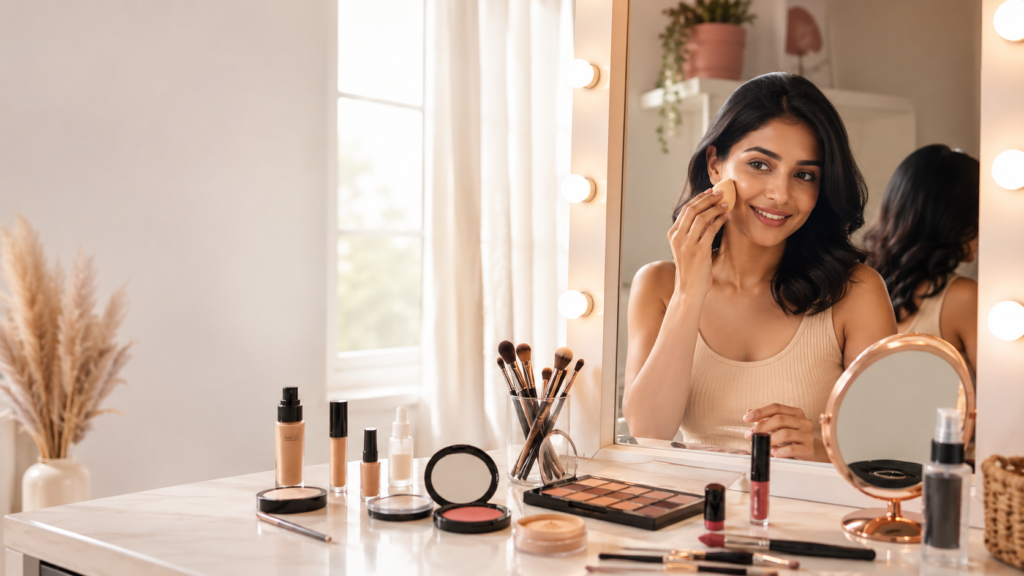
Ever spent 45 minutes doing your makeup only to look in the mirror two hours later and wonder, “Why does my foundation suddenly look like it’s filing for divorce from my face?”
Don’t worry, you’re not alone.
Whether you’re a makeup beginner or someone who’s mastered the winged eyeliner (on one eye, at least), we’ve all made a few makeup mistakes that sabotage an otherwise gorgeous look. The good news? Most of them are surprisingly easy to fix.
From choosing the wrong foundation shade to forgetting the most important step before makeup, this guide covers the most common makeup mistakes and exactly how to avoid them. Your future selfies will thank you.
1. Skipping Skincare Before Makeup
You wouldn’t paint a wall without cleaning it first, right? The same goes for your face.
Applying makeup on dry, dehydrated, or oily skin can make foundation cling to dry patches, separate throughout the day, or look uneven.
How to fix it:
Start with a simple skincare routine:
- Cleanser
- Moisturizer
- Sunscreen (daytime)
- Primer if needed
Think of primer as the supportive best friend who keeps everyone together during family drama. It helps your makeup stay put for longer.
2. Choosing the Wrong Foundation Shade
We’ve all seen it-the face that’s two shades lighter (or darker) than the neck.
Foundation should blend seamlessly into your skin, not announce its arrival.
How to fix it:
- Test foundation on your jawline instead of your wrist.
- Check the shade in natural daylight.
- Understand your undertone-warm, cool, or neutral.
- If you’re between shades, mix two foundations instead of forcing one to work.
Remember, your goal is “your skin but better,” not “new identity.”
3. Applying Too Much Foundation
More foundation doesn’t mean more coverage.
It usually means your makeup starts looking cakey, settles into fine lines, and feels heavy by lunchtime.
How to fix it:
Start with a small amount and build coverage only where needed. A damp makeup sponge helps blend foundation into the skin for a natural finish.
Sometimes the best makeup look is letting your real skin peek through.
Also Read:How to Create a Flawless Base: Foundation & Concealer Tips
4. Forgetting to Blend
Contour lines, harsh blush edges, and unblended concealer are easy to spot.
Your makeup should look seamless-not like a colouring project that ran out of time.
How to fix it:
Take an extra minute to blend.
Blend your:
- Foundation
- Concealer
- Blush
- Bronzer
- Eyeshadow
A clean makeup sponge or fluffy brush is your best friend here.
If your contour is visible from across the room, it’s asking for another round of blending.
5. Using Too Much Concealer
More concealer won’t magically erase dark circles.
Instead, it often creases, cakes, and draws even more attention to the area.
How to fix it:
Apply a small amount only where needed and blend immediately.
If you have dark under-eyes, use a colour corrector first and then apply concealer.
Less really is more.
6. Going Overboard with Powder
Powder is fantastic for setting makeup, but too much can make your skin look dry and lifeless.
Nobody wants to look like they accidentally walked through a bag of flour.
How to fix it:
Apply setting powder only to areas that get oily, such as:
- T-zone
- Chin
- Around the nose
If you have dry skin, use minimal powder and finish with a setting spray for a fresh, natural look.
7. Ignoring Your Eyebrows
Eyebrows frame your face, but that doesn’t mean they should be drawn on with the enthusiasm of a permanent marker.
Overfilled brows can overpower your entire makeup look.
How to fix it:
Use light, hair-like strokes with an eyebrow pencil or powder.
Brush through your brows with a spoolie to soften any harsh lines.
Your brows should complement your face-not audition for the role of cartoon villain.
Also Read: 10 Simple Eye Makeup Tips To Make Eyes Pop And Shine Instantly
8. Sleeping with Makeup On
We’ve all had those nights.
You tell yourself you’ll remove your makeup after “just one episode,” and suddenly it’s morning.
Sleeping with makeup can clog pores, cause breakouts, and leave your skin looking dull.
How to fix it:
Always remove makeup before bed using:
- Cleansing balm
- Micellar water
- Gentle cleanser
Your pillowcase deserves better too.
9. Forgetting Setting Spray
You spend an hour perfecting your makeup…
Then humidity walks into the room.
Without setting spray, your makeup is more likely to fade, crease, or transfer throughout the day.
How to fix it:
Finish your makeup routine with a few sprays of setting spray.
It helps everything melt together, making foundation look more like skin while increasing wear time.
Especially during summer or monsoon, this one step makes a huge difference.
10. Never Cleaning Your Makeup Brushes
Your makeup brushes collect foundation, oil, dead skin cells, and bacteria every time you use them.
If you can’t remember the last time you washed them… It’s probably time.
Dirty brushes don’t just affect your makeup-they can also contribute to clogged pores and breakouts.
How to fix it:
Wash your brushes every one to two weeks using a gentle cleanser or brush shampoo.
Let them air dry completely before using them again.
Your brushes work hard. They deserve a spa day, too.
Bonus Tips for Flawless Makeup
A few small habits can completely transform your makeup routine:
- Blend in natural light whenever possible.
- Match your foundation to your neck.
- Replace expired makeup products.
- Moisturize daily for smoother makeup application.
- Use cream products if you have dry skin.
- Use oil-free formulas if you have oily skin.
- Don’t chase every viral makeup trend-find what works for your face.
Remember, makeup is supposed to enhance your features, not hide them.
Final Thoughts
Perfect makeup doesn’t exist-and honestly, that’s part of the fun.
Every beauty lover has experienced mismatched foundation, overdrawn brows, cakey concealer, or mascara that somehow ended up on their eyelid five seconds after applying it. The trick isn’t avoiding mistakes altogether; it’s learning from them.
The best makeup routine isn’t about using the most expensive products or following every trend on social media. It’s about understanding your skin, choosing products that work for you, and embracing techniques that make you feel confident.
So the next time your eyeliner decides to have a personality of its own, just remember: even professional makeup artists started somewhere.
And if all else fails, there’s always lip gloss. Somehow, lip gloss makes everything feel better.
Frequently Asked Questions
1. What is the biggest makeup mistake beginners make?
Skipping skincare and applying too much foundation are among the most common beginner mistakes.
2. Why does my foundation look cakey?
Cakey foundation is usually caused by dry skin, too much product, poor blending, or excessive setting powder.
3. Should I use primer before foundation?
Yes. Primer creates a smoother base, helps makeup last longer, and minimizes the appearance of pores.
4. How often should I clean my makeup brushes?
Ideally, wash makeup brushes every one to two weeks and beauty sponges after every few uses.
5. Is setting spray really necessary?
While optional, setting spray helps your makeup last longer and gives it a more natural, skin-like finish.
6. How can I make my makeup look more natural?
Use lightweight products, blend thoroughly, apply makeup in thin layers, and focus on enhancing rather than covering your natural features.